

Crown-of-Thorns Starfish: A Growing Threat to Philippine Coral Reefs
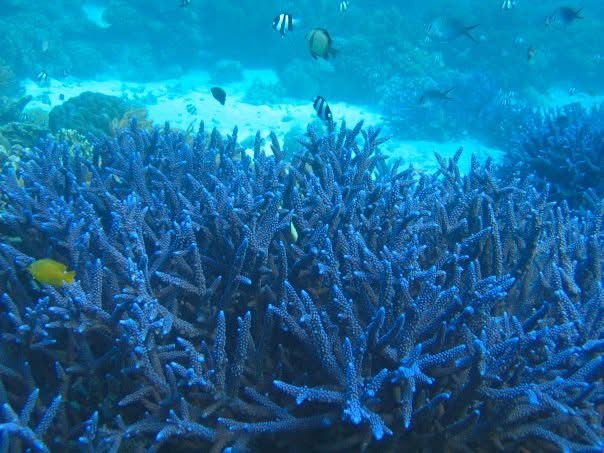
Crown-of-thorns starfish outbreaks are among the most destructive natural threats facing coral reefs in the Philippines. These large, spiny predators feed on living coral, and when their populations surge beyond normal levels, they can strip entire reef sections bare in a matter of months.
For the Philippines — home to some of the richest coral reef ecosystems on Earth — understanding and managing crown-of-thorns starfish is a critical part of protecting marine biodiversity, coastal livelihoods, and the long-term health of the Coral Triangle.
What Are Crown-of-Thorns Starfish?
The crown-of-thorns starfish (Acanthaster cf. solaris, formerly classified as Acanthaster planci) is one of the largest starfish in the world, reaching up to one meter across. Named for the long, venomous spines that cover its upper surface, this species is found throughout the Indo-Pacific, from the Red Sea to the eastern Pacific.
Unlike most starfish, which typically have five arms, crown-of-thorns starfish can develop between 8 and 21 arms as adults. They feed by climbing onto coral colonies, extruding their stomach over the coral surface, and digesting the living tissue. A single adult can consume up to 10 square meters of coral per year, according to the Great Barrier Reef Foundation.
In small numbers, crown-of-thorns starfish are a natural part of healthy reef ecosystems. They tend to feed on faster-growing coral species like Acropora and Pocillopora, which can help slower-growing species compete for space. This selective feeding can actually support coral diversity when populations remain in balance.
The problem begins when populations explode.
What Causes Crown-of-Thorns Starfish Outbreaks?
Scientists define an outbreak as 15 or more crown-of-thorns starfish per hectare of reef. During outbreaks, populations can reach far higher densities. In Southern Leyte in 2019, some Philippine reefs had close to 100 starfish per hectare — roughly 20 times the outbreak threshold.
Research points to several interconnected causes.
Nutrient Runoff From Land
Agricultural fertilizers, sewage, and soil erosion can wash excess nitrogen and phosphorus into coastal waters. These nutrients fuel phytoplankton blooms, which provide more food for crown-of-thorns starfish larvae as they develop in the water column. Because a single female can release up to 60 million eggs in a spawning season, even a modest increase in larval survival can produce enormous adult populations several years later.
NOAA researchers have identified nutrient-rich conditions as a likely contributor to outbreaks, noting that excess nutrients “change the ecology of the reef” in ways that favor starfish larvae.
Loss of Natural Predators
Several species prey on crown-of-thorns starfish, including the giant triton snail (Charonia tritonis), humphead wrasse, titan triggerfish, and harlequin shrimp. However, overfishing and the collection of marine animals for the aquarium and shell trades have reduced populations of these predators across much of the Indo-Pacific.
A 2016 study published in PLoS ONE found that crown-of-thorns outbreaks were more than three times as likely on fished reefs compared to reefs that had been protected from fishing for at least five years. The giant triton snail, one of the most effective natural predators of adult crown-of-thorns starfish, has been extensively collected for its ornamental shell and is now rare throughout much of its range.
Rising Ocean Temperatures
Warmer waters associated with El Niño events and long-term climate change may also contribute to outbreaks. Higher temperatures can accelerate starfish reproduction and larval development. In Cebu, outbreaks have been linked to El Niño conditions, with provincial officials connecting a 2019 surge to a weak El Niño event.
Most scientists believe that outbreaks result from multiple factors acting together rather than any single cause. A peer-reviewed assessment concluded that effective management should address both fishing pressure and nutrient inputs rather than targeting one factor alone (Babcock et al., 2016).
Crown-of-Thorns Outbreaks in the Philippines
The Philippines has experienced crown-of-thorns starfish outbreaks for decades. The species was first recorded in Philippine waters in 1938, and outbreaks have been documented across the archipelago ever since. A review published by the Philippine National Fisheries Research and Development Institute found that outbreaks in the Cebu area were reported consistently between 2002 and 2008 and again from 2018 to 2021.
Known locally as dap-ag in Cebuano, crown-of-thorns starfish have caused significant damage across the Visayas and other Philippine regions.
Cebu and Central Visayas
In 2019, the Cebu Provincial Disaster Risk Reduction and Management Office reported that at least 14 areas and 50 marine protected areas across Cebu were affected by outbreaks. Affected areas included Moalboal, Oslob, Dalaguete, Cordova, and the islands of Camotes and Bantayan.
The economic damage extended beyond coral loss. An estimated 350 hectares of seaweed farms on Bantayan Island were destroyed, with damages reaching approximately ₱28 million. Fish catches dropped significantly in affected areas, threatening the livelihoods of coastal fishing communities.
Southern Leyte
In 2019, a separate outbreak spread across the waters of at least five towns in Southern Leyte, including Padre Burgos, Malitbog, and Limasawa — areas known for their diving tourism. Provincial environment officials described the infestation as “massive” and “very alarming,” with some reefs recording nearly 100 starfish per hectare.
The Broader Challenge
The NFRDI review described the situation as “five decades behind the limelight,” arguing that crown-of-thorns outbreaks have received far less research attention in the Philippines compared to the Great Barrier Reef. The review called for a national management program that brings together government agencies, universities, and citizen scientists to monitor outbreaks and coordinate responses.
How Crown-of-Thorns Outbreaks Damage Reef Ecosystems
When crown-of-thorns starfish populations reach outbreak levels, the consequences for reef ecosystems can be severe.
During an outbreak, these starfish can strip a reef of up to 90% of its living coral. The dead coral skeletons are quickly colonized by algae, which can prevent new coral from settling and regrowing. Without living coral, reef fish lose their shelter and food sources, triggering declines across the entire food web.
For Philippine coastal communities that depend on healthy reefs for fishing, tourism, and coastal protection, the cascading effects of severe outbreaks can be devastating. Coral reefs support approximately one million metric tons of fish production in the Philippines annually and protect shorelines from storm surge and erosion.
The damage is compounded when outbreaks occur alongside other stressors like coral bleaching from rising ocean temperatures, sedimentation, and overfishing. A reef weakened by multiple threats takes far longer to recover — and some may not recover at all without active intervention.
How Communities and Scientists Are Responding
Managing crown-of-thorns outbreaks requires a combination of direct removal, ecosystem protection, and long-term monitoring.
Manual Removal Programs
The most widely used control method involves trained divers physically removing starfish from affected reefs. In the Philippines, community-organized removal drives have been conducted in Cebu, Southern Leyte, and other affected provinces. In Southern Leyte, local divers and members of scuba diving clubs helped extract starfish using specialized injection tools.
In other regions, including Australia’s Great Barrier Reef and American Samoa, organized programs have removed thousands of starfish. NOAA’s Coral Reef Conservation Program has supported the removal of more than 7,000 crown-of-thorns starfish from reefs around American Samoa. The Great Barrier Reef Foundation’s control program uses trained divers to inject individual starfish with bile salt or vinegar — methods that kill the starfish without harming the surrounding reef.
Protecting Natural Predators
Research increasingly suggests that well-enforced marine protected areas may help reduce the severity of outbreaks by maintaining populations of natural predators. Fish species such as humphead wrasse, triggerfish, and pufferfish all prey on crown-of-thorns starfish. Protecting these predators from overfishing may be one of the most effective long-term strategies available.
Reducing Nutrient Pollution
Addressing the land-based nutrient runoff that fuels larval survival is another important strategy. Improved agricultural practices, better sewage treatment, and reduced soil erosion in coastal watersheds can all help limit the nutrient inputs that contribute to outbreaks. These measures benefit coral reefs in multiple ways, since excess nutrients also promote harmful algae growth and reduce water clarity.
Monitoring and Early Warning
Detecting outbreaks early — before starfish populations reach devastating densities — gives communities and reef managers the best chance of responding effectively. The NFRDI review emphasized the need for systematic monitoring networks across the Philippines, including involvement of local divers, fishers, and citizen scientists who can report unusual starfish sightings.
How You Can Help Protect Philippine Reefs
Crown-of-thorns outbreaks are a reminder that coral reef conservation requires sustained effort on many fronts. Individual actions that make a difference include supporting well-managed marine protected areas, practicing responsible diving and snorkeling, and reducing your personal contribution to nutrient pollution and climate change.
Organizations like Reef Without Borders are working to protect and restore coral reefs in Cebu, Philippines, through science-led restoration, monitoring, and community partnerships. Our planned first restoration mission at Kontiki, Mactan, Cebu, will help rebuild reef areas where coral has been lost to threats including crown-of-thorns outbreaks and bleaching.
Support coral reef conservation in the Philippines →
Frequently Asked Questions
Are crown-of-thorns starfish an invasive species?
No. Crown-of-thorns starfish are native to the Indo-Pacific, including the Philippines. They are a natural part of coral reef ecosystems. The concern arises when their populations surge to outbreak levels, which may be driven by human activities such as nutrient pollution and overfishing of their natural predators.
Can a reef recover from a crown-of-thorns outbreak?
Reefs can recover from moderate outbreaks, but recovery typically takes 10 to 15 years under favorable conditions. Recovery is slower — or may not occur — when outbreaks coincide with other stressors like coral bleaching, sedimentation, or repeated disturbances. Active coral restoration can help accelerate recovery on severely damaged reefs.
What should I do if I see crown-of-thorns starfish while diving?
Do not touch or attempt to remove crown-of-thorns starfish yourself. Their venomous spines can cause painful injuries. Instead, note the location, estimate the number you see, and report the sighting to local marine authorities, your dive operator, or a local marine protected area manager. Early reporting helps communities respond before outbreaks become severe.

Comments are closed.