

Responsible Diving: How to Protect Coral Reefs Underwater
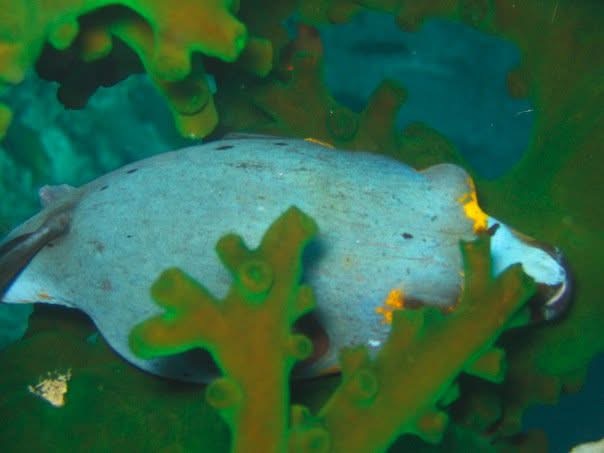
Scuba diving gives millions of people a window into the underwater world — and for many divers, that first encounter with a coral reef is what sparks a lasting commitment to ocean conservation. But a growing body of research shows that even well-intentioned divers cause more damage to reefs than most of them realize.
A 2026 study published in Conservation Letters by researchers at Princeton University and the University of Sydney found that divers in the Philippines and Indonesia made contact with the reef roughly once every four minutes — and underestimated their own contact frequency by nearly fivefold. About 41 percent of those contacts caused observable damage, from coral breakage to sediment disturbance that can smother reef organisms. More than 80 percent of the damaging contacts were unintentional.
Those findings carry special weight in the Philippines, which sits at the heart of the Coral Triangle — the most biodiverse marine region on Earth. Millions of people depend on Philippine reefs for food, income, and coastal protection. As dive tourism grows, the gap between good intentions and actual reef impact is one of the most important problems for divers to understand and close.
This guide explains what the science says about diving’s effects on coral reefs, outlines specific practices that reduce impact, and describes the legal and conservation framework that protects reefs in the Philippines.
How Diving Affects Coral Reefs
Most divers care about conservation. In the Princeton–University of Sydney study, which analyzed more than 700 divers across over 300 hours of underwater observation, the majority of participants reported strong pro-environmental attitudes. Yet the data told a different story: observers recorded 4,981 reef contact events among 411 divers.
The study identified several patterns worth understanding.
Contact is mostly accidental. Fins, knees, hands, and dangling equipment account for most reef contact, and divers rarely notice it happening. This is not recklessness — it is a gap between awareness and skill that training can close.
Gear increases risk. Divers carrying underwater cameras, wearing gloves, or using pointer sticks had significantly higher contact rates. Cameras narrow a diver’s focus, gloves reduce the sensation of contact, and pointer sticks encourage touching surfaces that should be left alone.
Wildlife encounters amplify damage. When marine life was present nearby, intentional contacts increased by 220 percent and damaging contacts doubled. The excitement of a close encounter can override careful habits.
Peer behavior matters. When one diver touched the reef, others nearby were much more likely to follow. Social norms underwater travel fast — both the helpful ones and the harmful ones.
A few divers cause most damage. A small minority accounted for a disproportionate share of total contact events, which means that targeted interventions and better pre-dive briefings could have an outsized effect.
These patterns do not mean diving is inherently destructive. They mean that specific, learnable skills make the difference between a dive that protects the reef and one that gradually wears it down.
Essential Practices for Reef-Safe Diving
Responsible diving is built on a handful of core skills. None of them are difficult, but all of them require deliberate attention.
Master Your Buoyancy
Buoyancy control is the single most important factor in how much contact a diver has with the reef. Divers who are overweighted tend to add too much air to their BCD, creating erratic ups and downs that send fins and gear into coral.
Check your weighting at the start of every trip, not just every season. Practice neutral buoyancy in open water before diving over sensitive reef areas. If your buoyancy needs work, a specialty course in peak performance buoyancy is one of the most reef-friendly investments you can make.
Control Your Fins
Fin kicks are the most common source of unintentional coral contact. Keep kicks smaller and higher when swimming over or near the reef. Before turning, check behind and below you — fin strikes during turns often go completely unnoticed.
Maintain a horizontal body position in the water. Divers who swim at an angle are more likely to drag fins across coral or stir up sediment from sandy bottoms near the reef.
Streamline Your Equipment
Secure every piece of gear that could swing, drag, or snag. Gauges, alternate regulators, and camera accessories should be clipped tight to your body. A single loose console dragging across a reef can break coral colonies that took years to grow.
Keep Your Distance from Marine Life
Let animals set the distance. Chasing a sea turtle or hovering over a resting shark causes stress to the animal and leads to the kind of close, erratic movement that damages the reef around it. Observe from a comfortable distance, and let curious animals approach on their own terms.
Be Aware of Sediment
Fine sediment stirred up by fin kicks can settle on coral and block the light it needs to survive, or smother the polyps directly. Stay slightly higher when crossing sandy or silty patches near the reef. This is especially important in the Philippines, where sedimentation is already a major stressor for many reef systems.
Choose Reef-Safe Sunscreen
Chemical sunscreens containing oxybenzone and octinoxate can be toxic to coral, even in small concentrations. Use mineral-based sunscreen or wear a rash guard on dive days. You can learn more about how these chemicals affect reefs in our guide to reef-safe sunscreens.
Never Feed Fish
Feeding changes fish behavior, unnaturally concentrates species at dive sites, and can disrupt the ecological balance that keeps reefs healthy. It can also make fish aggressive toward divers and snorkelers.
Diving Responsibly in the Philippines
The Philippines is home to some of the world’s most celebrated dive destinations, from Tubbataha Reefs Natural Park to the walls of Apo Island and the sardine runs of Moalboal in Cebu. With that reputation comes a responsibility — for divers and operators alike — to protect the reefs that make those experiences possible.
Legal Protections for Philippine Reefs
Philippine law takes coral reef protection seriously. The Philippine Fisheries Code (Republic Act 8550) prohibits coral exploitation and export except for approved scientific purposes. Destructive fishing methods, including blast fishing and cyanide use, carry penalties of up to 10 years’ imprisonment. In 2025, Cebu City declared a new reef sanctuary along the Mactan Channel under Executive Order 15, adding local enforcement to national protections.
For divers, the practical message is clear: touching, collecting, or standing on coral in Philippine waters is not just harmful — it can carry legal consequences. Dive guides can also be held accountable for the behavior of divers under their supervision.
The Green Fins Program
The Green Fins initiative, managed by the United Nations Environment Programme and the Reef-World Foundation, provides the only internationally recognized environmental code of conduct for dive and snorkel operators. Green Fins has been active in the Philippines since 2004.
Participating dive centers are assessed on a 330-point system that measures their environmental practices above and below the water. Operators must demonstrate continuous improvement to maintain certification. When choosing a dive operator in the Philippines, checking for Green Fins membership is one of the most reliable ways to find a business committed to reef protection.
Marine Protected Areas
The Philippines has been expanding its network of marine protected areas (MPAs) to safeguard its most important reef systems. Well-managed MPAs like Tubbataha have demonstrated that restricting certain activities — including uncontrolled diving — can keep reefs in near-pristine condition.
As a diver, respecting MPA boundaries, permit requirements, and visitor caps is one of the most direct ways to support reef conservation. These regulations exist because the science shows they work.
How Dive Operators Can Make a Difference
The Princeton–University of Sydney study found that peer behavior strongly influences how divers interact with the reef. That makes dive guides and operators critical to the equation.
Effective environmental dive briefings that go beyond generic reminders — briefings that name the specific reef contacts to watch for, demonstrate proper fin techniques, and explain what damage looks like — can measurably reduce diver impact. Operators who limit group sizes, assign experienced guides to newer divers, and discourage the use of gloves and pointer sticks create conditions where responsible diving becomes the norm rather than the exception.
Programs like Green Fins give operators a structured way to evaluate and improve their practices year over year. In the Philippines, where dive tourism is a significant part of the coastal economy, operators who lead on sustainability help protect the very resource their businesses depend on.
What to Do If You See Reef Damage
If you encounter bleached coral, illegal fishing, anchor damage, or other signs of reef degradation during a dive, report it. In the Philippines, local government units, the Department of Environment and Natural Resources (DENR), and community-based Bantay Dagat (sea patrol) organizations are the appropriate points of contact.
Some dive destinations also participate in citizen science monitoring programs. If your dive operator or local MPA offers a way to log reef health observations, your data contributes to the long-term scientific record that informs coral reef monitoring and management decisions.
Frequently Asked Questions
How much damage do divers actually cause to coral reefs?
A 2026 study in the Philippines and Indonesia found that divers made contact with the reef roughly once every four minutes, and about 41 percent of those contacts caused observable damage such as coral breakage or sediment disturbance. Most of this contact was accidental and unnoticed by the diver.
What is the most important skill for protecting reefs while diving?
Buoyancy control. Divers with good neutral buoyancy avoid the erratic movements that cause fin strikes, equipment drags, and sediment disturbance. Checking your weight at the start of each trip and taking a buoyancy specialty course are two of the most effective steps.
Is it illegal to touch coral in the Philippines?
The Philippine Fisheries Code prohibits coral exploitation, and local regulations in marine protected areas can carry additional penalties for touching or damaging coral. Dive guides can also be held responsible for diver behavior.
What is Green Fins?
Green Fins is an initiative run by the UN Environment Programme and the Reef-World Foundation that sets environmental standards for dive and snorkel operators. It has been active in the Philippines since 2004. Participating operators are evaluated on a 330-point system and must show continuous improvement to maintain certification.
How can I choose a responsible dive operator?
Look for Green Fins membership, ask about their environmental briefing practices, check whether they limit group sizes, and observe whether their guides model reef-safe behavior. Operators who discourage gloves and pointer sticks and who enforce no-touch policies demonstrate a genuine commitment to reef protection.
Support Science-Led Coral Reef Restoration
Every responsible dive is an act of conservation, but some reefs need more than careful visitors — they need active restoration. Reef Without Borders is preparing for its first coral reef restoration mission at Kontiki, Mactan, Cebu, combining trained local divers with scientific monitoring to rebuild damaged reef habitat.
Support our work and help protect the coral reefs of the Philippines for generations of divers and communities to come.
Comments are closed.