

How Local Fishing Communities Are Affected by Reef Loss in the Philippines
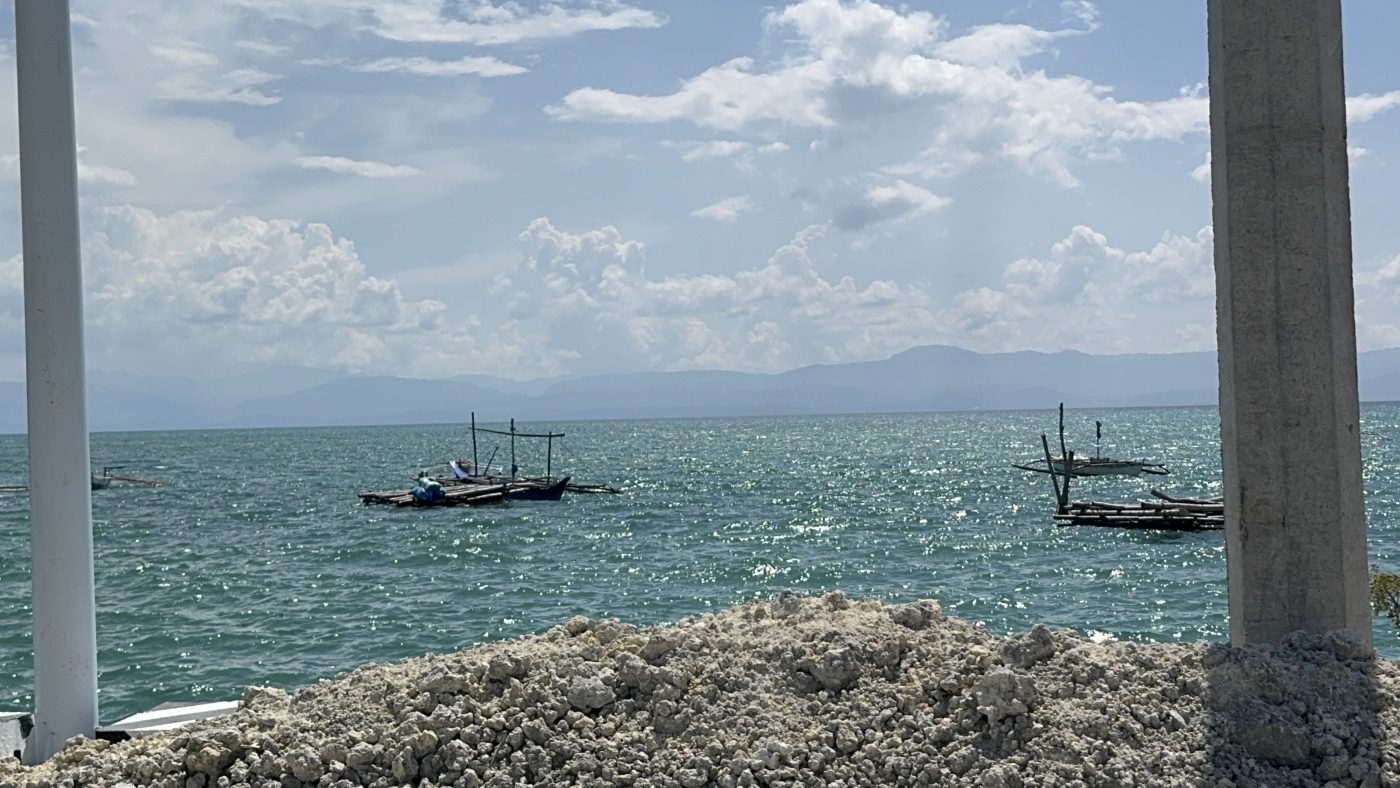
How Local Fishing Communities Are Affected by Reef Loss
By Clarisa Strohmeyer | May 29, 2026 | 6 min read
The conversation about coral reef conservation is often conducted in scientific language, or in the language of global biodiversity and climate change. But in the fishing villages on the shores of Cebu, the conversation is different. It is about whether the catch was enough today. Whether the prices at the market covered the cost of fuel. Whether the children can stay in school or whether they need to start fishing. That is what reef loss means in human terms, and it is what drives Reef Without Borders to do this work.
Quick Answer: How Do Fishing Communities Depend on Coral Reefs?
Philippine fishing communities depend on coral reefs for fish catches that provide both food for household consumption and income from market sales. Reef fisheries support an estimated 1.5 million Filipino fisherfolk and their families. When reefs degrade, catches decline, forcing fishermen to travel further at greater cost and risk, or to abandon fishing. The resulting loss of income drives poverty, food insecurity, and migration from coastal communities.
The Fishing Economy of Reef Coastal Communities
Small-scale artisanal fishing is the dominant livelihood in coastal barangays throughout Cebu and the broader Philippines. Fishermen typically operate within a few kilometers of shore, targeting reef-associated species using handlines, traps, and small nets. Their catch is sold fresh at local markets or consumed directly by the household. The economic margin is thin. A bad week of fishing can mean a family goes hungry or a child misses school.
Reef fisheries yield $25 billion in annual economic benefits in the Asia-Pacific region. This figure captures commercial fisheries at scale. For the small-scale fisherfolk of Cebu, the relevant number is smaller and more personal: the daily catch, the weekly income, and the annual cycle of typhoon seasons, spawning seasons, and market prices that determine whether a family stays afloat.
What Happens When the Reef Degrades
Declining Catches
Fish populations in reef systems are directly tied to reef health. Reef fish depend on the structural complexity of the reef for shelter and feeding. When coral cover declines, the habitat capacity for reef fish declines with it. Studies consistently show declining catch-per-unit-effort in Philippine reef fisheries over time, forcing fishermen to spend more time fishing for smaller returns.
Displacement
As nearshore reef fisheries decline, fishermen are pushed further offshore to find fish, increasing fuel costs, time at sea, and exposure to weather risk. In many cases, this displacement is economically untenable for small-scale operators without the capital to invest in larger boats and longer-range equipment. Some exit fishing entirely, seeking wage labor in urban areas. This contributes to the depopulation of remote coastal communities and the urbanization pressures on greater Cebu City.
Food Security
In rural coastal communities where reef fish is the primary protein source, declining catches translate directly into nutritional insecurity. Studies from reef-dependent communities across Southeast Asia document the link between reef degradation and indicators of malnutrition, particularly in children. Food that was once caught within sight of the village must be purchased, at prices that small-scale fishing incomes cannot always sustain.
Tourism as an Alternative, With Caveats
In some Cebu coastal communities, dive tourism has emerged as an alternative livelihood that is compatible with reef conservation. Moalboal is a documented case where community-based management of marine protected areas combined with reef tourism development has provided economic benefits while incentivizing reef protection. Malapascua similarly has a significant tourism economy built around its reefs.
However, tourism is not a universal solution. It depends on a healthy reef to attract visitors, making it vulnerable to the same reef degradation that threatens fishing. It also requires infrastructure, skills, and access to capital that not all coastal communities possess. And poorly managed tourism can itself contribute to reef degradation through anchor damage, physical contact with coral, and runoff from tourist facilities.
The communities that depend most on healthy reefs are often the ones with the least power to protect them from the forces that degrade them. Effective conservation has to include them, not work around them.
Are Philippine fishing communities involved in reef restoration?
Yes. The most successful Philippine reef restoration programs have strong community participation, including fisherfolk serving as volunteer monitors, nursery maintainers, and enforcement of no-take zones within marine sanctuaries. Community ownership of restoration outcomes is a key predictor of long-term success.
Does reef restoration create income for fishing communities?
Reef restoration programs can provide direct income through paid positions for local divers as nursery maintainers and restoration specialists. Reef Without Borders field operations are led by a local Cebuano diver and are designed to maximize local employment in our restoration activities.
Reef Without Borders is funding its first coral restoration mission at Kontiki, Mactan, Cebu in Q4 2026. Every contribution brings that mission closer to the water.
Comments are closed.